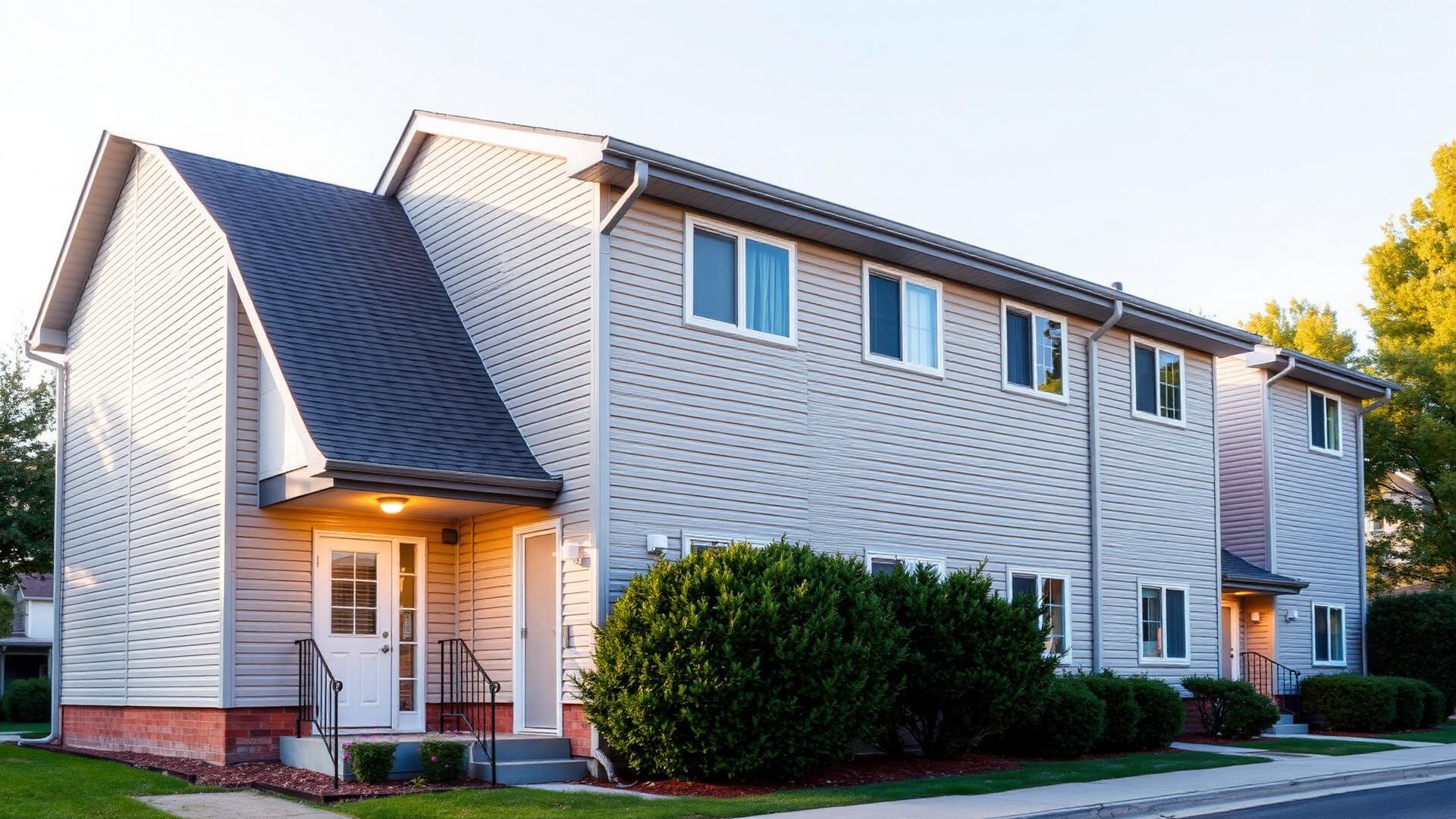
Small multifamily property management
Management built around your property.
For owners of properties that may be too small to support a dedicated on-site team. We study the market and the property's performance, then build a plan around the work it needs.
8–90
Approximate number of units per property. Local coverage follows the property's workload.
The challenge changes with the property.
A management change, a purchase, and a self-managed building need different starting plans. We begin with the facts of yours.
Changing property managers
Keep leases, resident issues, open work, vendors, and vacancies from getting lost in the handoff.
Buying a building
Test underwriting against actual rents, unit condition, turn costs, and leasing demand before setting the first-year plan.
Managing it yourself
Give leasing, maintenance, and reporting clear ownership while setting local coverage to the property's workload.
A real study before a management proposal.
We want to earn your business with a plan grounded in objective reality—not vibes, generic benchmarks, or market averages. A full market study and a performance deep dive show us what is happening at your property and what to do first.
Market study
Look at the competing properties and homes, floorplan and unit mix, advertised rents, concessions, renter demand, and how this building can stand apart.
Performance deep dive
Examine the rent roll, vacancies, leasing path, collections, turns, maintenance, expenses, resident issues, and the commitments already in motion.
What we typically need from you
These records give the performance deep dive a reliable starting point.
- Current rent roll
- Aged receivables
- Aged payables
- Trailing 12-month financials
- 12-month work order history
The result: a bespoke operating plan
A property-specific view of positioning, leasing, turn priorities, local coverage, owner reporting, and the decisions needed to move performance. The plan becomes the basis for how we operate, not a generic staffing template.
The plan changes the daily work
A study matters when it changes decisions. These are the operating choices we tailor to what the property and its market reveal.
Position and lease the actual inventory
Use the unit mix, nearby alternatives, renter demand, and the property's story to choose where to market. Pair flexible tours with human follow-up, then diagnose the funnel before changing price.
Unit mix, market position, qualified tours, applications
Find the work behind each vacancy
Connect notice, unit condition, turn scope, and vendor work to a credible ready date. Separate the homes that can be shown from the homes that still need work.
Turn scope, readiness, vendor commitments, open work
Put people where they change the outcome
Use tour demand, vacancies, resident needs, and site layout to decide when local presence earns its cost. The staffing plan follows the property study.
Leasing demand, local coverage, property workload
Give owners a recommendation
Connect the numbers to a judgment: what changed, why it matters, what Northpoint is doing, and where the owner needs to decide. Keep the property plan current as conditions change.
Property performance, actions, risks, decisions
Coverage that follows the work.
An 8-unit building may have no reason for a daily onsite team. A larger community may need more regular local presence. We consider vacancy, tours, turns, resident needs, and the property's layout when building the staffing plan.
Staffing, maintenance, and other property costs are scoped for the specific assignment.

A management change starts with the facts.
The transition should give the owner a clear starting picture and protect continuity for residents. We look at what we inherit, what needs immediate attention, and what can improve over time.
Establish the starting condition
Reconcile the rent roll, available homes, prospect pipeline, resident issues, open work, and vendor commitments.
Prioritize the interruptions
Identify what could disrupt income or resident service first, then assign the next action to the right team.
Run the property with owner visibility
Keep leasing, turns, service, and financial performance connected to a clear set of operating decisions.
The practice leader
Meet Josh Theiss.
Director, Small Multifamily

Josh leads Northpoint's small multifamily and build-to-rent practice. He brings nearly two decades of experience across property operations, regional leadership, and ownership-side asset management.
His work connects property-level execution with the owner's business plan: leasing performance, resident experience, budgets, capital needs, and the decisions that protect the asset over time.
More about JoshTell us about your property.
Share the basics. We'll first discuss your building and what prompted you to reach out, then tell you what we need to study its market and performance.